
Oneida County Recent Arrest Paths
The official Oneida detention page states it plainly. The county has no jail or holding facility. Anyone incarcerated goes to Caribou County Jail in Soda Springs. That split shapes every search: the Oneida County Sheriff holds the arrest report, while Caribou handles intake and custody. Idaho VINE can flag custody status, and iCourt matters once charges reach a courtroom. The county publishes no same-day list or running blotter. Caribou posts no searchable roster on its site either. For a same-day option, Arrested Today fills the gap, and Arrest Reports widens the net.
| Window | Public feed | Fallback |
|---|---|---|
| Same day | None verified | Booking desk, VINE, records request |
| Several days | None verified | Date-range request, iCourt, local news |
Why Oneida Arrests Leave County
An Oneida arrest and a Caribou booking are two distinct events. The arresting agency writes up the incident. If the person is held, transport follows. Intake then takes place at Caribou. No public source spells out the lag between those steps. Call the Caribou booking desk at (208) 547-3094. Name Oneida as the arresting jurisdiction. The Caribou detention page describes a 49-bed jail that accepts contract inmates.
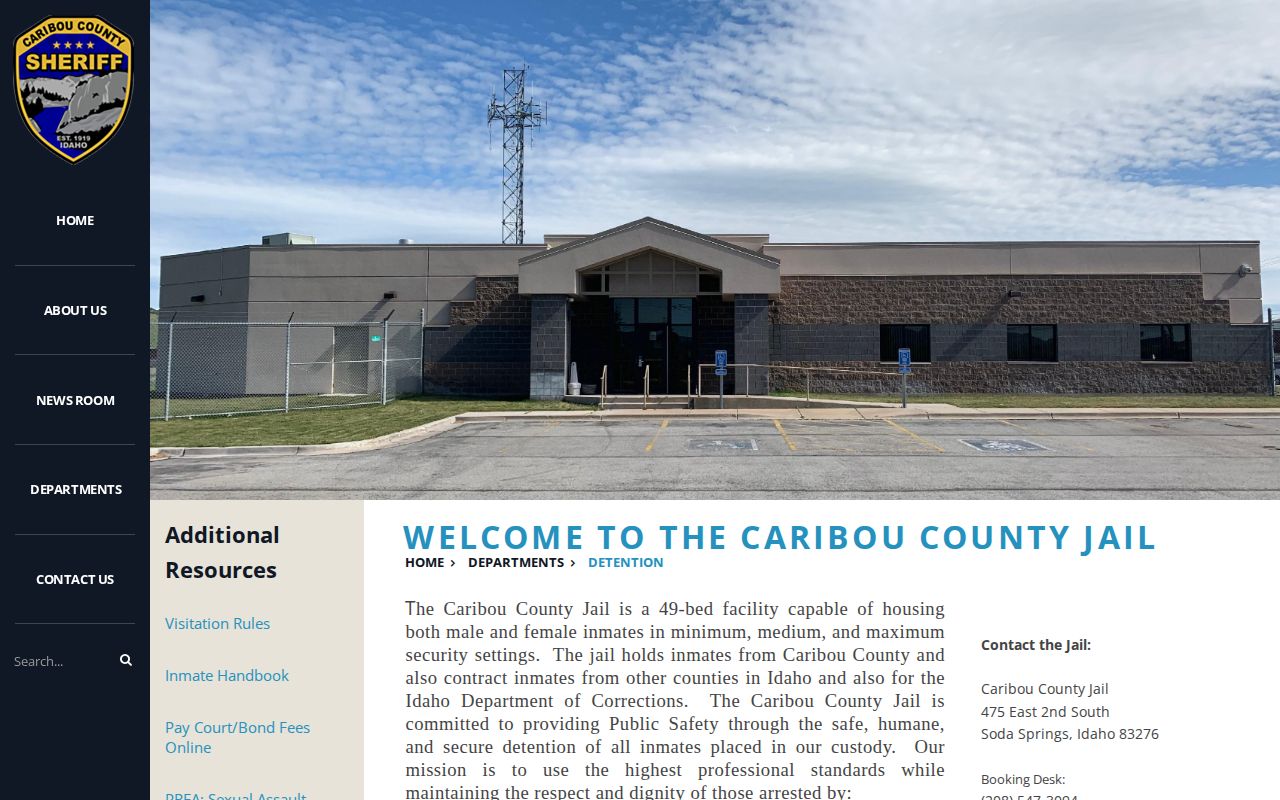
That official page names the custody provider. It is not a roster or a booking-photo display.
Oneida County Arrest Roster Limits
Oneida has no jail, so it has no public arrest roster. Caribou offers no public results screen either. That leaves nothing to verify about search fields, photo rules, refresh times, or how fast entries roll off.
| Field | Status |
|---|---|
| Name or booking number | Request or confirm |
| Charge and bond | Confirm at booking and court |
| Custody or release | Check VINE and booking desk |
| Booking photo | No official display policy found |
Call Caribou for current custody, or check VINELink for status updates. Then request the Oneida arrest record or the Caribou booking record directly. A released person drops from a custody search while the court case lives on.
Why Arrest Feed Details Are Missing
Neither county page publishes a feed schedule, weekend rule, retention period, or photo policy. Caribou's visitation hours say nothing about booking updates. A missing result only means that interface returned no match right then. Note the time you asked, since custody changes fast.
Arrest Alerts Versus Social Posts
Oneida Sheriff links to Facebook, but no routine booking feed comes from it. The office lists no sheriff app of its own. Caribou AlertSense handles emergency and public-safety alerts, not booking notices. Search results that look similar often belong to a New York county. It shares the same name. For custody changes, VINE Arrest Check is the better tool. A Caribou call can confirm.
Where Oneida Arrest Records Appear
Go to official sources first. Oneida Sheriff keeps the arrest report, Caribou handles intake, VINE sends custody notices, iCourt tracks the case, and IDOC covers state custody or supervision later. No single source combines them all.
| Source | Status | Purpose |
|---|---|---|
| Oneida Sheriff | Official | Arrest report |
| Caribou Jail | Official | Booking and custody |
| VINE | Officially linked | Status and alerts |
| iCourt | Official | Case outcome |
| News/private pages | Unofficial | Selected context |
Idaho Enterprise, East Idaho News, and Local News 8 run selected stories rather than full feeds. RecentlyBooked has a Caribou page but none for Oneida. Mugshots.com keeps an unofficial historical Oneida path, while Busted Newspaper, Arrests.org, and Mugshots.zone show no local Oneida section.
Oneida Arrest News Is Selective
Local outlets may quote agency statements or report later court events, but they never cover every booking. No standing local blotter or mugshot gallery exists. The East Idaho News site shows what a regional story source looks like.
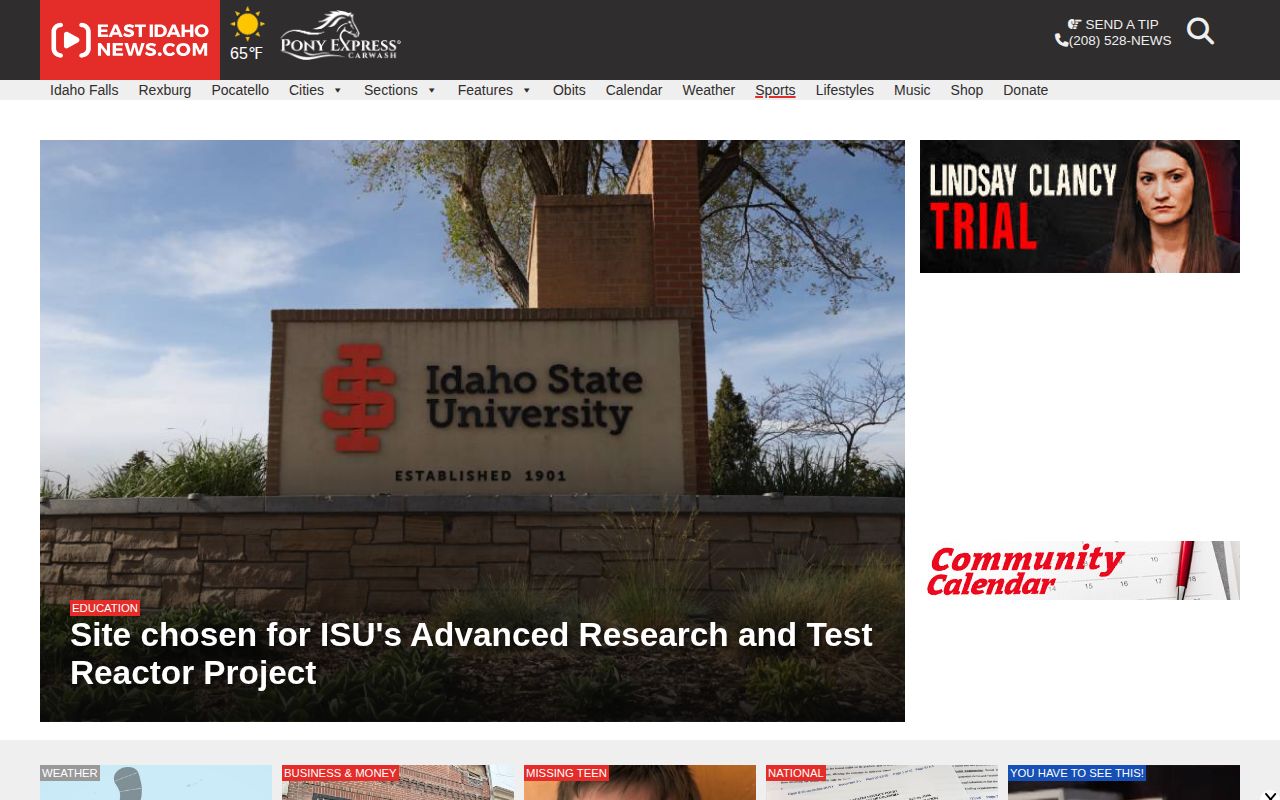
Use story-level coverage for attributed context, then verify through the agency and court.
What Oneida Arrest Statistics Mean
Idaho's official 2024 table lists an Oneida County arrest rate of 1,889.39. The Caribou County rate sits at 1,704.23. Those are aggregate figures. They are not daily counts and say nothing about any one person. Do not merge the two rates just because Caribou houses Oneida detainees.
Recent Arrests in Malad City
Malad is Oneida County's only incorporated city. It contracts with the Sheriff for law enforcement and posts no city police blotter. Anyone held follows the Caribou path. Malad City Recent Arrests covers the city route. Incidents near I-15 or the state highways can involve other agencies, so confirm the arresting agency from the report.
Old Oneida Jail References
An Idaho Enterprise history piece describes an old six-person jail behind the courthouse. That explains stale directory listings. Current official information controls. Oneida has no jail and routes incarcerated people to Caribou. Make sure every result names Idaho and the right facility.
Fields in Oneida Arrest Records
Caribou publishes no data dictionary, so record fields must be requested rather than promised online.
| Field | Meaning |
|---|---|
| Arresting agency, place, time | The arrest event |
| Booking number, date, facility | Jail intake |
| Charges as booked | Charges, not judgment |
| Bond, hold, release | Custody terms at one time |
| Case and court date | Link to court |
| Photograph | Only if created and released |
Idaho Code §74-124 identifies arrest information available from an inactive investigation, subject to exemptions. It promises no instant online release.
Request Oneida Arrest Records
The Oneida Sheriff contact page lists records@oneidasheriff.net. Caribou takes jail reports and photo requests through an online form.
- Name the custodian and call it an Idaho public-records request.
- Give the person, date range, incident, and arresting agency.
- Ask separately for report, booking record, release data, and releasable photo.
- Request electronic delivery, advance fees, and the basis for withholding.
The official Caribou form accepts a detailed report or photo request.
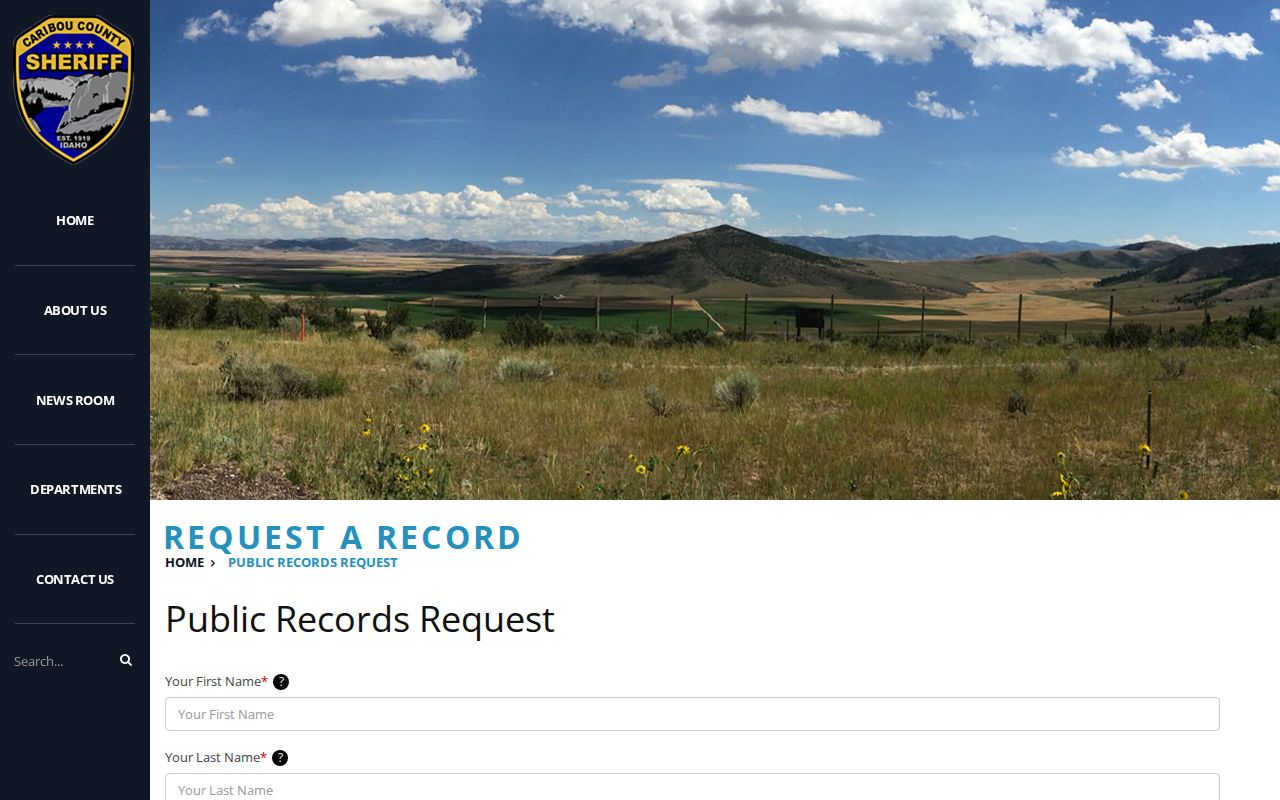
It provides a formal request path without displaying people or booking images.
Oneida Arrest Request Timing
Idaho Code §74-103 generally gives agencies three working days. It can grant or deny a resident's request in that span. Written notice can extend that to ten working days at most. Nonresidents face different periods. No fixed local photo fee is published, so ask about cost and any withholding basis.
Oneida Arrest Mugshots and Photos
Neither Oneida nor Caribou offers a public photo display. Ask the custodian whether an image exists. Also ask whether it can be released. IDOC tracks later state custody and is not a fresh booking-photo source. Private copies may be dated, mislabeled, or tied to another county.
Idaho Arrest Photo Law and Relief
Idaho has no pay-to-remove mugshot law on its books. Instead, arrest photos fall under the state's general public-record rules and their exemptions. Juvenile records get extra protection, and expungement or sealing can close out an old arrest record. The Idaho Supreme Court page explains how the Clean Slate Act shields qualifying cases. Start with the agency holding the record and ask for a correction there. When you qualify for relief, check the ISP expungement guidance or the Clean Slate rules.
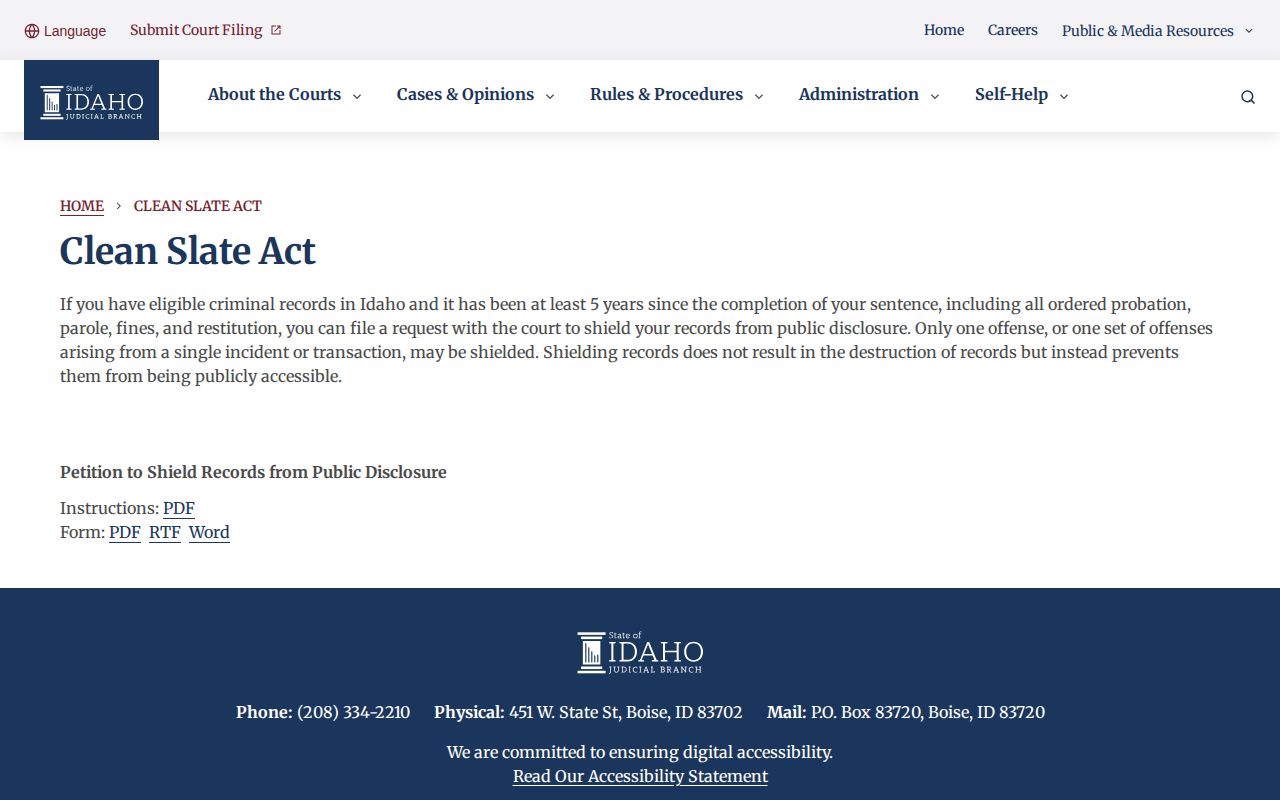
Shielding limits public access. It does not erase every copy of a booking photo, though. Pages get saved and reposted, after all.
RecentlyBooked and Mugshots.com both offer free correction routes. Those are private site rules rather than law. Nobody should pay just to ask for a fix. Removal of an outdated search result only works once the underlying source changes.
Juvenile Arrest Records Stay Limited
Juvenile records stay off limits under Idaho Code §74-105. The county does report youth arrest totals. It counted 26 in 2023, 24 in 2024, and 25 in 2025. Those counts add context. They never justify printing a child's name or booking photo.
The statutory exemption capture shows the legal source in full.
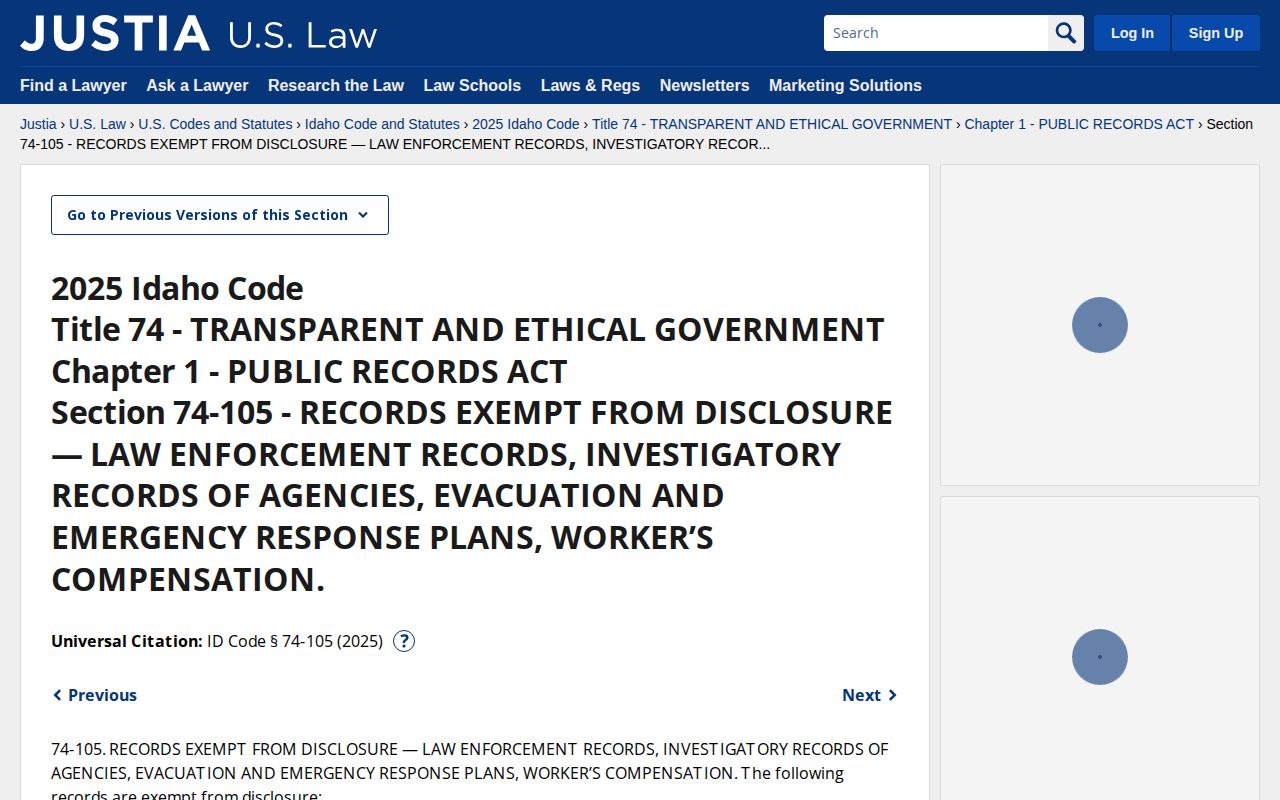
Aggregate reporting must never become a child-level roster.
Oneida Arrest Bond Is Case-Specific
Oneida County publishes no bond schedule or release table. Ask Caribou or the court for the exact terms in a specific arrest case.
Oneida Arrest Warrants and Wanted Status
Oneida County posts no online warrant portal. There is no most-wanted list, tip form, or reward program either. Call the Oneida Sheriff at (208) 766-2251 or the court. With a known case or record number, iCourt can help. It is not a name-only warrant list for the whole county.
Do not approach or detain anyone over a suspected warrant. Anyone unsure of their own status should ask counsel. The court or the Sheriff can answer too.
After a Oneida County Arrest
An Oneida County arrest is only the start. A case may pass through charging, arraignment, bond, hearings, amended charges, a plea, trial, dismissal, acquittal, judgment, or sentence before it wraps up. Disposition means how the case ends. Search Idaho iCourt by party or case data, and note that its tutorial formats a party as last name, comma, first name. The Oneida clerk keeps the file at 10 Court Street. Call (208) 766-4116 for help.
Booked, Released, or Sentenced
Each system answers a different custody question. Oneida Sheriff covers the arrest. Caribou and VINE cover county custody. iCourt handles disposition, IDOC covers state custody or supervision, BOP covers federal imprisonment, and ICE covers immigration holds. The IDOC search accepts a last name or IDOC number. It is not a recent county feed.
Someone booked at Caribou may walk free before anyone inquires about custody. Release does not erase the booking record. Nor does it resolve the charge. The Oneida arrest report and the Caribou intake record may still be available by request. Once a criminal case is filed, iCourt or the clerk supplies the court-side history. A later sentence can place the person under IDOC authority. That is when the state search matters. That is why one name search returns nothing while another official system does not.
- Booking
- Jail intake after arrest.
- Arraignment
- A hearing addressing charges and plea.
- Bond
- A release condition set in the case.
- Disposition
- The court’s resolution.
- Expungement
- Eligible legal relief affecting arrest-history material.
Confirming Oneida County Custody
Start any current-custody question with Caribou County Jail. Oneida's own detention page sends incarcerated people there. Ask whether the person is held right now, whether intake is complete, and whether a transfer or release has happened. Give a full name and enough lawful identifying detail to separate people with similar names. The booking desk may limit what it discloses. Its answer also only reflects that moment in time.
VINELink offers a second route. Caribou's official detention page links the service. The Idaho Sheriffs' Association describes VINE interfaces with jail booking systems and IDOC. No county-by-county feed map guarantees that every Oneida arrest will appear there. Treat a VINE match as a custody-status result. Confirm it directly when timing or identity is critical. A VINE miss is not proof that no arrest occurred.
For an arrest that did not lead to continued detention, contact Oneida Sheriff records instead. That office may hold the incident or arrest report even when Caribou has no current inmate to confirm. This split matters in Oneida County. The arresting office and the physical booking facility sit in different counties.
Two Custodians for Arrest Records
One arrest, two record keepers. The Oneida County Sheriff's Office and the Caribou County Sheriff's Office may each hold a different part of the same event. Oneida generally controls what its own deputies created, including the incident narrative and the arrest facts it can lawfully release. Caribou generally controls the jail intake material, such as the booking reference, intake time, custody status, a release or transfer entry, and any booking image it may disclose.
A precise request saves time. Skip the vague ask for "everything." Name the event and a date range. Tell Oneida the request concerns an arrest made by its deputies. Tell Caribou it concerns someone transported from Oneida County and booked at Caribou County Jail. Ask each custodian to state whether it holds the record. If it does not, ask which office does. Never assume the record never existed.
Caribou's form asks for a detailed description, report or photo information, an incident number or date when known, delivery preference, and an electronic signature. Oneida publishes a direct records email. Neither office posts a booking-photo price. Ask for an estimate first. Set your permission limits before copying begins.
How Old Oneida Arrest Records Persist
How long does a Oneida County arrest record last? The sheriff publishes no fixed schedule. The county posts no online roster either, so no official window exists for when an entry appears or vanishes from view. Retention and public visibility are separate things. An office can keep a file it never posts. A private copy can stay searchable long after an official page changes.
For an older arrest, ask the Oneida records office directly. Request the retention and disposition schedule that applies, the date the record was created, and whether the file was transferred or destroyed under that schedule. Caribou should get the same questions about jail-created records. If the matter reached court, the Idaho Court Administrative Rules govern access, preservation, and sealed files. Start there. Court rules, though, say nothing about how long a sheriff keeps a booking photo.
Newspapers offer history, not custody proof. The Idaho Enterprise archive and the Idaho Historical Society newspaper list can surface an old account of an arrest. A story may only capture the early claims. Match it against the court outcome, and note that the Idaho State Archives lists no public collection of Oneida booking photographs.
Oneida Arrest Charges Versus Outcomes
Charges can shift after an Oneida County arrest. The arrest report states what officers claimed happened. The jail record may repeat charges from intake. A prosecutor holds the power to file different counts, amend them, or decline the case entirely. From there the court takes over. It can dismiss a count, accept a plea to another count, enter an acquittal, or impose judgment after a conviction. A booking label is just the first page.
iCourt gives the public Smart Search by party, case number, or other supported fields, plus a separate hearing search. Sealed or restricted material stays hidden from public users. When a summary lacks the document you need, the Oneida clerk is the local court-record contact. A court file can also explain why someone is no longer held. Release alone proves nothing about the case ending.
Idaho's investigatory-record rule sets another boundary. Section 74-124 protects details when release could interfere with enforcement, impair fair-trial rights, invade privacy, expose a confidential source, or endanger a person. It also names the arrest facts available from inactive investigations, subject to other law. Disclosure is a fact-specific decision, never an automatic online mugshot rule.
Correcting Oneida Arrest Information
Start with the office that made the error. Wrong agency or incident facts go to Oneida if Oneida wrote the report. A bad intake date, custody entry, or jail photo goes to Caribou. Court errors belong with the clerk. IDOC status issues belong with IDOC. Include the case number, disposition, identity details, and source URL. That helps staff find the exact record fast.
Legal relief is a separate path. Idaho Code §67-3004(10), as Idaho State Police describes it, offers expungement when no qualifying charge was filed within the statutory period, all charges were dismissed, or the person was acquitted. Exceptions apply. Case-specific rules do too. Clean Slate shielding is another court process for eligible records after completion requirements are met. Shielding hides the record; it does not destroy it.
Once an official page is fixed or lawfully restricted, a private publisher may still need its own request. The free policies at RecentlyBooked and Mugshots.com ask for identifying record details and supporting documents. Those are private policy calls, not court orders. A search engine's stale-result process comes last, fixing only an index entry whose source page already changed.
Oneida Warrant Checks Need Context
A warrant is a court-backed command. It authorizes an action such as an arrest. It is not a booking, because it can sit outstanding before anyone is taken into custody. Oneida County has no official most-wanted or warrant page. Private lists should not fill that gap.
For a known case, iCourt can display unsealed public material. Its tutorial allows searching unsealed warrants and no-contact orders by record number. It does not promise a complete name-only warrant check. Restricted or sealed items may not appear. The Oneida Sheriff and the court are the contacts for next steps. A lawyer can help someone address a possible warrant through the court process.
Public safety comes first. Never approach a person, post a copied photo as a wanted notice, or act on a name match from an unofficial source. Similar names and old records invite mistaken identity. Report urgent safety concerns to law enforcement, and reserve 911 for emergencies.
State and Federal Arrest Boundaries
The IDOC database casts a wide net. It lists people held in state facilities. It also lists those on probation or parole, along with anyone else under the department's watch. Searching takes at least two letters of a last name. Three digits of an IDOC number also work. A first name is optional. Each result shows identity fields, the IDOC number, current status, and discharge data when it applies. The department updates the file daily, though status details can lag or shift.
An arrest at Caribou does not guarantee an IDOC entry. Some cases never reach state jurisdiction at all, so the person stays off the list. Meanwhile, an IDOC record can still matter long after the Oneida booking stage has passed. Federal custody runs on a different track entirely. The Bureau of Prisons locator handles that side. It uses a register number or identity fields. The reach extends to federal inmates back to 1982. Booking photographs are not part of it. ICE keeps its own locator for immigration custody. It needs an A-number. Otherwise it needs exact identity and country-of-birth details.
Federal defendants sometimes sit in local contract space, but federal privacy and locator rules still govern their records. Blank results prove nothing either way. A missing BOP hit does not mean a person is free. A missing county hit does not mean federal custody. Pick the right locator. Match it to the agency holding the person, then circle back to Oneida or Caribou for the original local record.
Oneida County Sheriff’s Office Location and Directions
Public Record Search
Sponsored Results